May 22, 2026 | Workforce Development
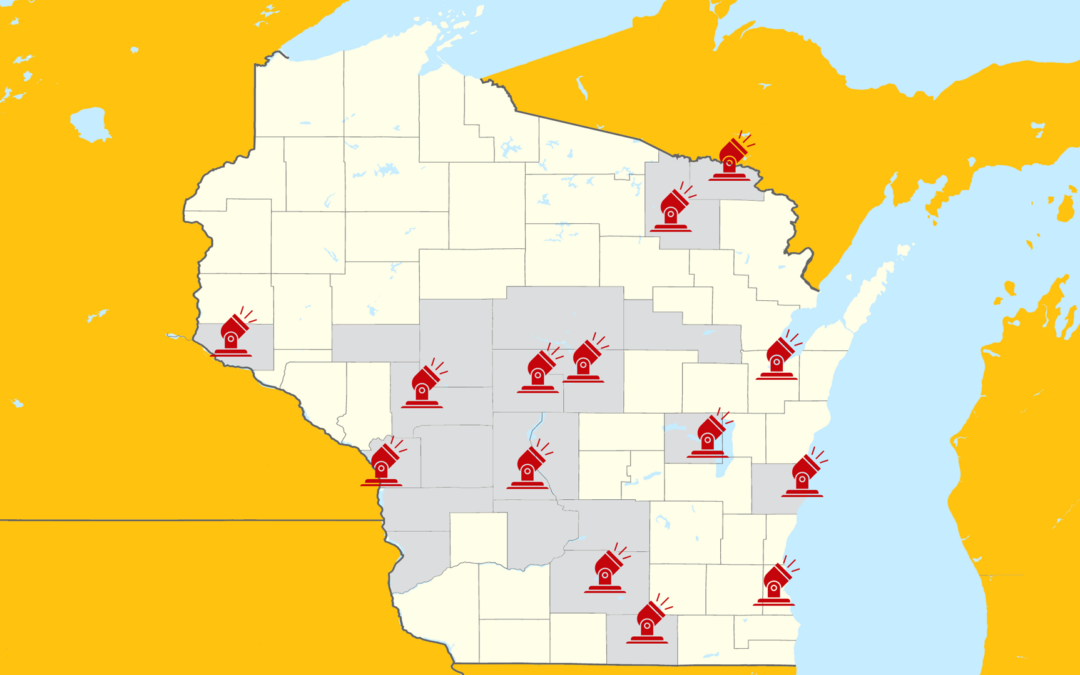
The University of Wisconsin Population Health Institute PHIG Spotlight series provides a monthly space for Wisconsin local and tribal public health departments to share promising practices and lessons learned with an audience of colleagues throughout the state, creating peer-to-peer development of the public health workforce.

May 14, 2026 | Workforce Development
What comes through most clearly is that these associations don’t replace local health departments or state agencies. They sit in between, making it easier for both sides to do their work.
May 13, 2026 | Workforce Development
There are three main themes of these objectives in every iteration of the program: 1) Practice adaptive leadership skills to guide organizational, community, and systems change; 2) Identify approaches for creating a culture of learning within their agencies; and 3) Apply strategies to foster a supportive workplace culture for a diverse workforce in their agencies. This blog post describes results of the outcome evaluation that was performed to assess if the RVPHLI met these goals.

May 11, 2026 | Workforce Development
In many organizations, there is an instinct to seek out “the expert”, the person who is expected to have all the answers, carry the knowledge, and lead the way. While expertise certainly has value, I’ve come to believe that focusing on building teams around the work is far more effective.

May 22, 2025 | Workforce Development
If not carefully designed, a strictly merit-based approach to hiring can unintentionally exclude talented individuals from underserved communities who have followed nontraditional paths. By broadening the definition of “qualified” and recognizing different forms of potential, employers can uphold high standards while cultivating fair hiring strategies.

Jan 10, 2025 | Data, General RVPHTC, Workforce Development
The RVPHTC conducts a training needs assessment every few years to help identify and prioritize the current needs of the region’s Local Health Departments (LHDs). These training needs help inform the development of training resources that will best serve our users and each iteration of the training needs assessment has slight differences and helps us learn more about the LHDs that we are serving.