Jun 30, 2026 | Uncategorized
The Center for Public Health Practice (CPHP) has been part of The Ohio State University College of Public Health for nearly two decades. In spring 2026, a team from CPHP conducted (a) interviews with a sample of local health department (LHD) leaders in Ohio regarding their frontline practice needs and (b) comparative interviews with leaders of multiple university-based public health practice centers to learn how we and similar centers could best support the public health workforce moving forward, both independently and in collaboration with the Region V Public Health Training Center (PHTC).
May 11, 2026 | Uncategorized
This relationship can be described as the public health equivalent of the “teaching hospital” affiliation found between hospitals and medical schools.
Dec 5, 2025 | Uncategorized
We need community-based systems changes to public health approaches, now more than ever. The LASC Toolkit 2.0 is an action-oriented, evidence-informed, field-tested process for organizations to collaborate with their partners and communities to use transformative learning as a driver for equity-focused systems change.

Jul 23, 2025 | Uncategorized
As a doctoral student in public health, I recently had the opportunity to participate in a short-term academic immersion in the United Kingdom, focused on the structure, function, and policy landscape of their health system. The experience provided a valuable comparative lens for understanding how government structures, financing mechanisms, and community-based organizations intersect to shape population health.

Jul 1, 2025 | Uncategorized
As public health practitioners, we cannot afford to let the evidence speak for itself anymore. We need to be proper stewards of the evidence on behalf of our communities and their leaders.
Jul 11, 2024 | Student Development, Uncategorized
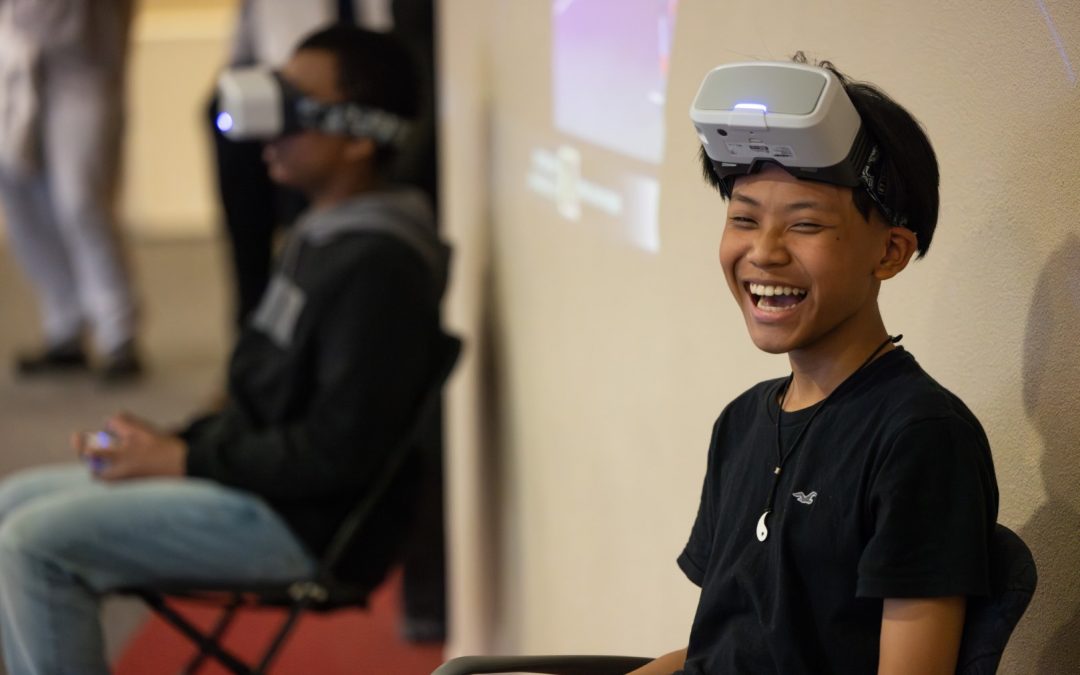
We designed an interactive program for underrepresented middle and high school students from our local communities, with the goal to develop a hands-on experience that would familiarize them with public health through the exciting technology of drones. Throughout the week, students thought about how drones are used to protect the public’s health, and as importantly, they thought about how they could be part of keeping their own communities healthy.